Fleet Detailing Chula Vista: Keeping Commercial Vehicles Road-Ready
Running a fleet in Chula Vista means your vehicles are always on the clock. Whether you manage delivery vans, work trucks, or a row of service vehicles, those rigs take a beating from the sun, the salt air off the bay, and the constant start-stop of city driving. A clean fleet isn't just about appearances. It affects your bottom line through driver morale, customer perception, and even resale value down the road. That is where fleet detailing Chula Vista comes in as a practical investment, not just an occasional wash.
I have spent years working on vehicles across San Diego and the South Bay, and I have seen what happens when fleet maintenance gets pushed to the back burner. The clear coat fades, the interiors get that sour smell, and the little scratches turn into rust spots. A dedicated fleet detailing program changes that trajectory. It keeps your vehicles looking sharp and running clean, which matters when every truck is a rolling advertisement for your business.
Why Fleet Detailing Is Different from a Standard Wash
A quick drive-through car wash might knock off the loose dirt, but it does nothing for the grime that builds up over weeks. Fleet vehicles accumulate more than dust. They get road tar, bird droppings, tree sap, and the fine grit that blows in from the canyons around Chula Vista. A proper fleet detailing Chula Vista service goes deeper. It uses a pressure washer to blast away the heavy stuff, then follows with a hand wash using microfiber towels and a quality car wax or wax sealant. That extra step protects the paint from UV damage and makes the next wash easier.
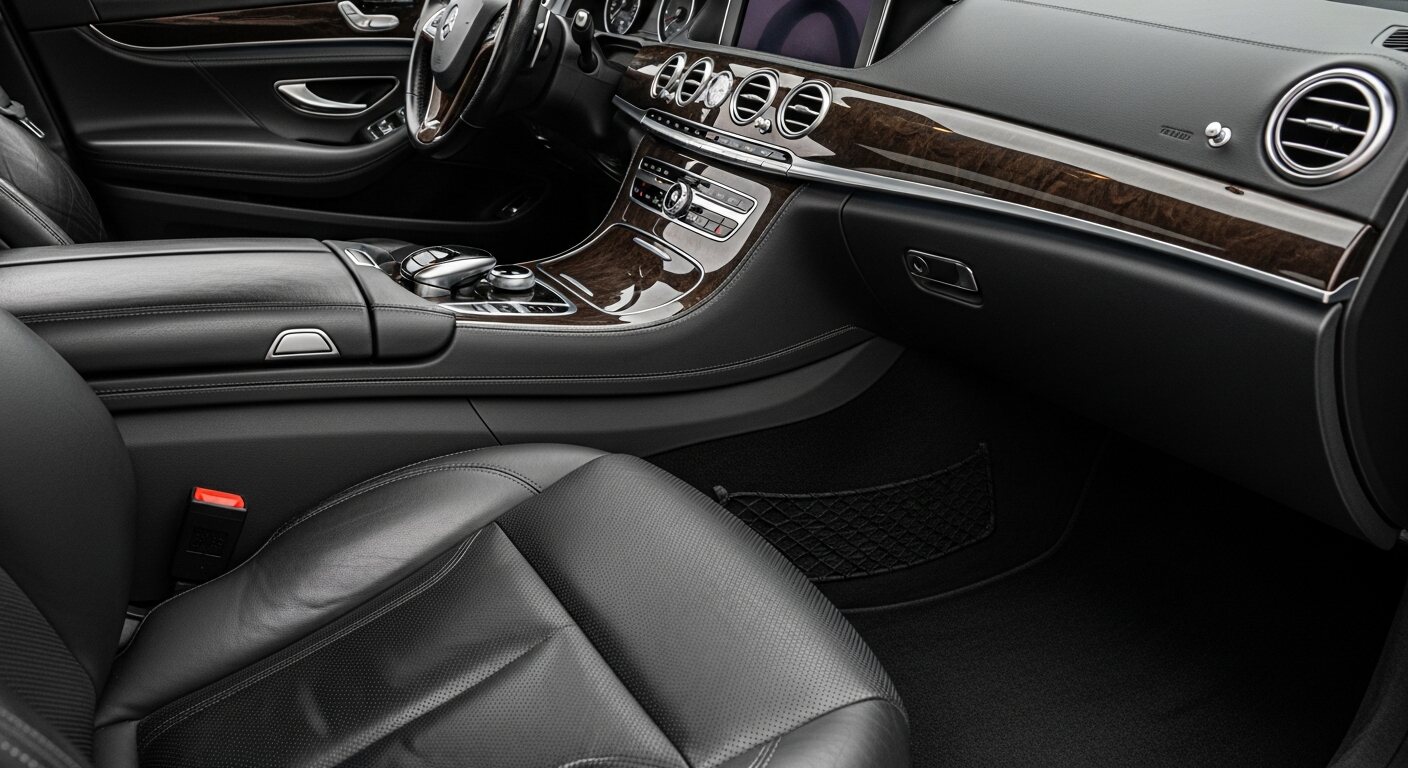
Inside the cab, the wear is just as real. Drivers eat lunch behind the wheel, track in mud, and spill coffee. Over time, that leads to stains and odors that a simple vacuum cannot fix. A thorough interior cleaning includes shampooing the carpets, treating the upholstery with leather cleaner if needed, and wiping down every surface with a dashboard protectant. The result is a cab that feels fresh and professional, which makes a difference when a client hops in for a ride-along.
The Role of Paint Correction in Fleet Maintenance
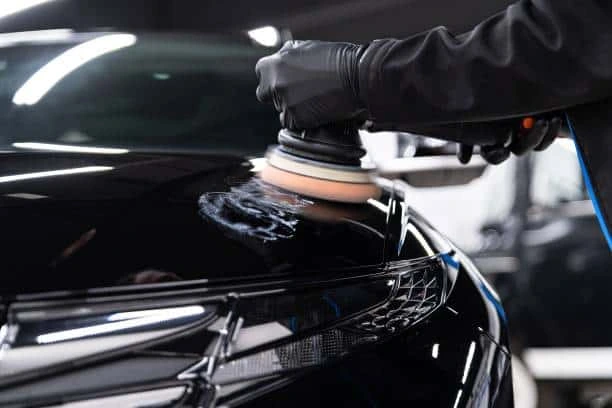
Fleet vehicles often show swirl marks and light scratches from automated car washes or from brushing against branches in tight alleys. Paint correction is the process of removing those imperfections to restore the original gloss. It involves using a detailing clay to lift embedded contaminants, then carefully polishing the clear coat to smooth out the scratches. For a fleet, this is not about vanity. It is about preserving the paint so it lasts longer. A well-maintained clear coat resists oxidation and fading, which means you can delay a costly repaint by years.
I remember working on a set of work trucks for a plumbing company in Chula Vista. The fleet manager was skeptical about paint correction until he saw the before and after on the first truck. The swirl marks disappeared, and the color looked richer. He ended up scheduling the whole fleet for a rotation. That is the kind of result that pays for itself over time.
Ceramic Coating: Long-Term Protection for High-Mileage Vehicles
If you really want to cut down on upkeep, ceramic coating is the way to go. This is a liquid polymer that bonds to the factory paint or clear coat, creating a hard, hydrophobic layer. It repels water, dirt, and bird droppings, so the truck stays cleaner longer. For a fleet, that means fewer washes and less time off the road. The coating also provides serious UV protection, which is critical in the San Diego sun. Without it, the paint on a delivery van can start to chalk and fade within a couple of years.
Ceramic coating is not cheap, but the math works out for a fleet that plans to keep its vehicles for the long haul. A single application can last two to five years, depending on the product and how the vehicle is used. Compare that to the cost of weekly washes and an eventual repaint, and the coating starts to look like a smart expense. I have applied ceramic coatings to everything from a single work truck to a dozen vans for a South Bay logistics company, and every owner said the same thing: the trucks stayed cleaner with less effort.
Mobile Car Detailing Saves Fleet Downtime
One of the biggest headaches with fleet maintenance is downtime. If you have to drive each truck to a shop and leave it there for a day, you lose revenue. That is where mobile car detailing becomes a game-changer. A mobile detailing service comes to your lot, sets up with its own water and power, and works on the vehicles one by one while the rest of the fleet stays in operation. The crew can handle exterior cleaning, interior cleaning, paint correction, and even ceramic coating all on site.
For a fleet manager in Chula Vista, that convenience is huge. You do not have to coordinate drop-offs or pay for loaner vehicles. The trucks get detailed during off-peak hours or while they are parked for the night. The same crew that does auto detailing for private cars can scale up to handle a fleet. They bring the same tools: pressure washers, microfiber towels, wax sealant, tire shine, and all the rest. The only difference is the scope of the job.

What a Fleet Detailing Session Typically Includes
A solid fleet detailing program covers both the inside and the outside. Here is what you can usually expect from a thorough session:
- Exterior hand wash with a pressure washer and car shampoo, followed by a rinse and hand drying with microfiber towels.
- Application of a wax sealant or synthetic sealant to protect the clear coat from UV and road grime.
- Interior vacuuming of carpets and seats, plus shampooing if needed.
- Wiping down all hard surfaces with a dashboard protectant and cleaning windows streak-free.
- Detailing the wheels and applying tire shine for a finished look.
Some services also offer paint correction and ceramic coating as add-ons. For fleets that run a mix of vehicles, you can tailor the package to match each truck's condition. A newer truck might only need a wash and wax, while an older one could benefit from a full correction and coating.
Choosing the Right Detailing Partner for Your Fleet
Not every auto detailing shop is set up to handle fleet work. You need a crew that can manage multiple vehicles efficiently without cutting corners. Look for a veteran-owned business if you value discipline and attention to detail. Many veteran-owned services bring a level of organization and reliability that fits well with fleet schedules. They tend to show up on time, follow a checklist, and communicate clearly about what was done.
Ask about their experience with commercial vehicles. A company that only works on sports cars might not have the right approach for a muddy work truck. They should be comfortable using a detailing clay to remove embedded grit before polishing, and they should know how to treat different surfaces like vinyl, leather, and plastic. Good microfiber towels are a sign of quality, because cheap towels can scratch the paint. The same goes for the products they use. A reputable service will talk openly about the brands they carry and why they chose them.
Making Fleet Detailing Part of Your Regular Schedule
The best results come from consistency. A one-time detailing looks great, but the benefits fade if you wait a year before the next session. I recommend setting up a rotation based on usage. A delivery van that runs 500 miles a week might need a full exterior cleaning every two weeks and a deep interior cleaning every month. A truck that sits in a lot most of the week could stretch to once a month for the outside and every quarter for the inside.
A good fleet detailing Chula Vista provider will help you build a schedule that fits your operation. They can keep records of what was done on each vehicle, so you always know the status. Over time, that discipline keeps the fleet looking professional and reduces the wear that leads to expensive repairs.
In the end, fleet detailing is about protecting your assets. The trucks and vans that carry your name around town deserve the same care you would give your own car. With the right approach, you can keep them clean, protected, and ready for whatever the South Bay roads throw at them.